How to Find a Certified Roofer in Your Area
Your roof is one of the most important investments in your home. Learn how to find qualified, certified contractors who will protect that investment with quality work.
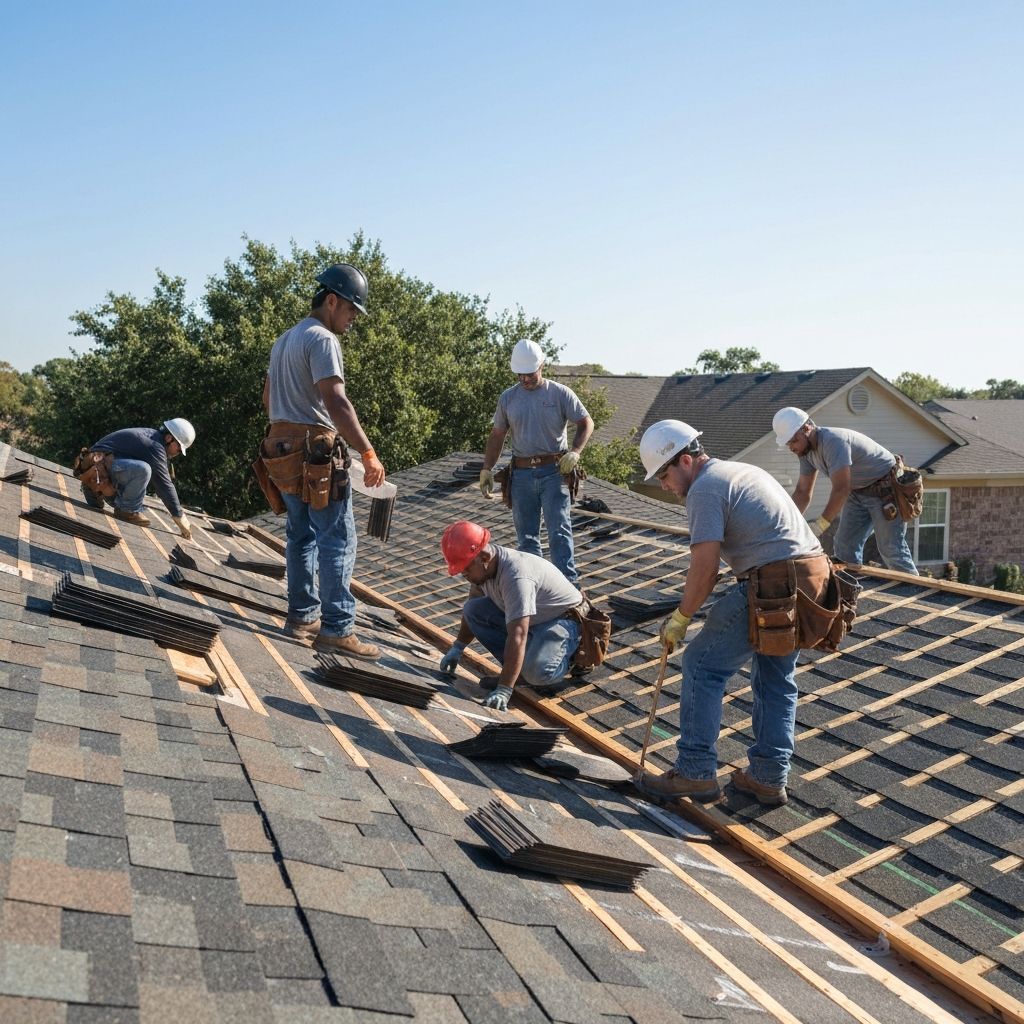
Skip the Search - Get Matched with Verified Contractors
Triguard partners exclusively with licensed, insured, and manufacturer-certified contractors. We've already done the vetting for you.
Get Matched FreeWhy Certification Matters
Hiring an unqualified contractor can lead to poor workmanship, voided warranties, liability issues, and costly repairs down the road. Certified contractors have demonstrated their competence and commitment to quality through rigorous training and ongoing education.
Benefits of Hiring Certified Contractors
- Better Warranties: Manufacturer-certified contractors can offer enhanced warranty coverage that uncertified contractors cannot.
- Proper Installation: Certified installers are trained in manufacturer-specific installation techniques that ensure optimal performance.
- Financial Protection: Licensed, insured contractors protect you from liability for accidents or property damage.
- Recourse if Problems Arise: Certified contractors have accountability through licensing boards and manufacturer programs.
Certifications to Look For
State Licensing
Most states require roofing contractors to hold a license. Licensing requirements vary by state and may include exams, experience requirements, and financial responsibility (bonds).
Manufacturer Certifications
Major shingle manufacturers offer certification programs that verify contractor expertise with their products:
- GAF Master Elite
Only 3% of contractors qualify. Requires proven reputation, proper licensing, insurance, and ongoing training. Offers the best GAF warranty options.
- Owens Corning Preferred Contractor
Requires licensing, insurance, and commitment to customer service. Access to enhanced warranty options and marketing support.
- CertainTeed SELECT ShingleMaster
Demonstrates expertise in CertainTeed installation. Requires ongoing training and adherence to quality standards.
Insurance Requirements
Verify contractors carry both:
- General Liability Insurance: Covers property damage and injuries that occur during the project
- Workers' Compensation: Covers worker injuries on your property (without this, you could be liable)
How to Verify Credentials
Step 1: Check State License
Visit your state's contractor licensing board website. Search by company name or license number to verify:
- License is active and current
- No unresolved complaints or disciplinary actions
- Business name matches the license
Step 2: Verify Insurance
Request certificates of insurance directly from the contractor. Call the insurance company to confirm coverage is current. Make sure limits are adequate for your project.
Step 3: Confirm Manufacturer Certifications
Visit manufacturer websites to verify certification status:
- GAF: gaf.com/roofing/contractors
- Owens Corning: owenscorning.com/roofing/contractors
- CertainTeed: certainteed.com/find-a-pro
Questions to Ask Contractors
A reputable contractor will welcome your questions. Here are the essential ones:
- What is your license number, and can I verify it?
Any hesitation to provide this is a red flag.
- Can you provide proof of insurance?
Request certificates for both liability and workers' comp.
- What manufacturer certifications do you hold?
Affects warranty options available to you.
- How long have you been in business?
Established companies are more likely to honor warranties.
- Will you use subcontractors?
If so, are they also licensed and insured?
- Can you provide references from similar recent projects?
Actually call these references and ask about their experience.
- What warranty do you offer on workmanship?
This is separate from manufacturer material warranties.
- What is your payment schedule?
Be wary of large upfront deposits. Never pay in full before work is complete.
- How do you handle unexpected issues or change orders?
Understanding this prevents surprises during the project.
- Will you obtain necessary permits?
Licensed contractors handle permitting as part of the job.
Red Flags to Avoid
Warning Signs of Untrustworthy Contractors
- Door-to-door solicitation after storms: "Storm chasers" often do subpar work and disappear
- Requiring large upfront payments: Standard is 10-30% deposit, not 50%+
- Cash-only or no written contract: Always insist on documentation
- Pressure to sign immediately: Legitimate contractors give you time to decide
- No physical business address: P.O. boxes only can indicate fly-by-night operations
- Unusually low bids: May indicate cutting corners on materials or labor
- Unwilling to pull permits: May indicate they're not properly licensed
- Negative reviews mentioning warranty disputes: Check multiple review sources
Comparing Estimates Effectively
When comparing estimates, don't just look at the bottom line. Compare:
- Materials: Same brand, type, and quality level?
- Scope of work: Does each estimate include the same tasks?
- Warranties: Both workmanship and material warranties
- Timeline: Is it realistic for the scope of work?
- Payment terms: Deposit amount and payment schedule
Frequently Asked Questions
What certifications should a roofer have?
Look for manufacturer certifications (GAF Master Elite, Owens Corning Preferred, CertainTeed SELECT), state contractor licenses, liability insurance, and workers' compensation coverage. These demonstrate training, accountability, and financial protection for you.
How do I verify a roofing contractor's license?
Contact your state's contractor licensing board or search their online database. Most states allow you to verify license status, expiration dates, and any complaints or disciplinary actions.
What questions should I ask a roofing contractor?
Ask about their license number, insurance coverage, manufacturer certifications, experience with your roof type, warranty terms, timeline, payment schedule, subcontractor usage, and references from recent projects.
How many roofing estimates should I get?
Get at least 3 written estimates from different contractors. This helps you understand fair market pricing and compare scope of work, materials, and warranty offerings.
Should I hire the cheapest roofing contractor?
Not necessarily. The cheapest bid may cut corners on materials or labor. Focus on value: fair pricing, quality materials, proper warranties, and a reputable contractor with verified credentials.
Written by Triguard Roofing Team
Industry Experts | Veteran-Owned Company
Our content is created by a team of roofing professionals with decades of combined experience in residential and commercial roofing. Every article is reviewed for accuracy by licensed contractors to ensure you receive reliable, trustworthy information to make informed decisions about your roof.
Let Us Match You with Verified Contractors
Skip the research. Triguard only partners with licensed, insured, and manufacturer-certified contractors who meet our strict quality standards.